
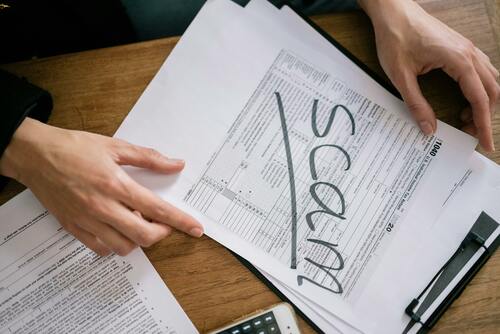
Understanding the Form 5102 Scam: A Cautionary Note for Business Owners
We want to raise your awareness about a concerning trend related to the Form 5102 scam and Beneficial Ownership Information (BOI) reporting. This issue has become increasingly prevalent, and it’s essential to understand how it can impact you and your financial security.
What is Form 5102?
Form 5102 is utilized for reporting Beneficial Ownership Information to the Financial Crimes Enforcement Network (FinCEN). This reporting requirement is part of the broader effort to combat money laundering and terrorist financing by ensuring transparency in business ownership. Legitimate requests for this information are typically made in the context of regulatory compliance. You can read more on this topic from our website by clicking here.
How the Scam Works
Scammers are now capitalizing on the confusion surrounding BOI reporting requirements. They have begun sending a fictitious form – Form 5102 – via email and mail and impersonating IRS agents or FinCEN representatives. These communications often contain urgent language, suggesting that you need to submit a Form 5102 immediately to avoid penalties or legal consequences.
In many cases, the scammers will ask for sensitive information, including:
- Personal Identifiable Information (PII): Such as Social Security numbers or dates of birth.
- Business Details: Including tax identification numbers, bank account information, and ownership details.
- Payment Information: Some may even request fees under the guise of processing your Form 5102.
Protecting Yourself
1. Verify the Source: Always verify any communication regarding BOI reporting. Official agencies, including FinCEN and the IRS, do not initiate contact via email or unsolicited phone calls. If in doubt, look up the official contact information and reach out directly.
2. Do Not Provide Personal Information: Never share sensitive information without verifying the legitimacy of the request. Legitimate agencies will not ask for sensitive data in an insecure manner.
3. Consult Your Advisors: If you receive any suspicious communications, please contact the accountant and/or attorney who has advised you on BOI rules to-date. We can help our clients determine if the request is legitimate and advise them on any necessary steps to take.
4. Stay Informed: Keep up to date on regulatory changes and the latest scams affecting our industry. Being informed is your best defense.
Conclusion
The Form 5102 scam highlights the need for vigilance in our increasingly digital world. As your advisor, we are here to help you navigate these challenges and ensure that your financial information remains secure.
Please don’t hesitate to reach out with any questions or concerns.